It shouldn't be just about reach
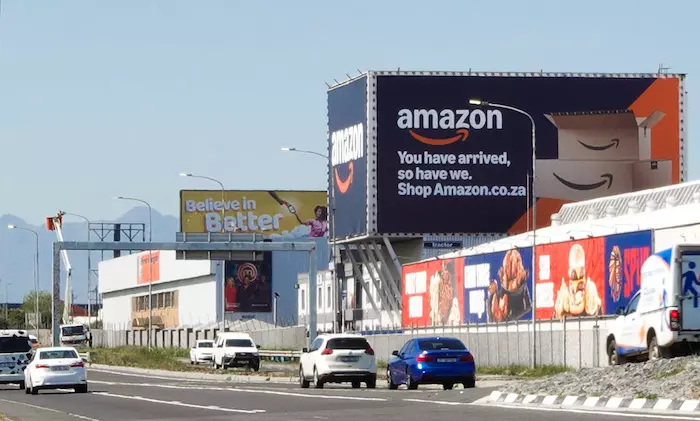
Out-of-home advertising has traditionally relied on reach and impressions as key metrics. But this approach misses a critical distinction, the difference between exposure and meaningful brand recognition.
The core argument is attribution measurement: tracking not just who saw your ad, but whether audiences actually remember the brand. Traditional OOH metrics answer "how many people passed by." Attribution asks the more important question: "how many remembered us?"
Success isn't about who sees your ad. It's about who remembers it.
Brand building is fundamentally about mental availability, ensuring your brand comes to mind when a buyer is ready to purchase. Reach without recall is wasted investment. The industry has historically measured the former while hoping for the latter.
Attribution measurement changes that by isolating the incremental effect of OOH on actual brand metrics, comparing those who recalled the ad against a matched control group who did not.
Attribution reveals what works and where to go next.
Campaign data from Tractor's attribution studies demonstrates the power of this approach across different formats:
A proximity-based campaign for a snack brand showed a +34 point uplift in consideration among 18–34-year-olds, demonstrating the power of reaching audiences near points of sale when they're closest to a purchase decision.

The future of OOH measurement points toward real-time optimization using mobile data, AI, and behavioural analytics, enabling campaigns to adapt mid-flight based on live performance signals. The brands that embrace this shift now will be the ones setting the benchmarks that others aspire to.